
- Blog
- Diet Clinic Shimoga
- Nutritionist
Why Choose Deeksha Diet Clinic as the Best Dietitian for Weight Loss in Shivamogga Best Dietitian for Weight Loss in...
Protecting Your Heart: A Smart Nutrition Plan for Reversing Diabetes in Shivamogga Best Dietitian for Diabetes in Shivamogga – Living...
Why Online Nutritionist in Shivamogga Are Changing Healthcare? Best Online Nutritionist in Shivamogga – Some people come to us after...
Why Your Current Approach to Weight Loss Might Be Failing – Best Diet Clinic in Shivamogga Best Diet Clinic in...
Why Choosing the Best Nutritionist in Shivamogga Matters for Your Long-Term Health Best Nutritionist in Shivamogga – Health operations are...
Why the Best Dietitian in Shivamogga Focuses on Local Realities? Best Dietitian in Shivamogga – Finding the right path to...

Each decade in life brings unique nutritional needs, health challenges, and lifestyle changes. At Deeksha Diet Clinic, we guide Indian...
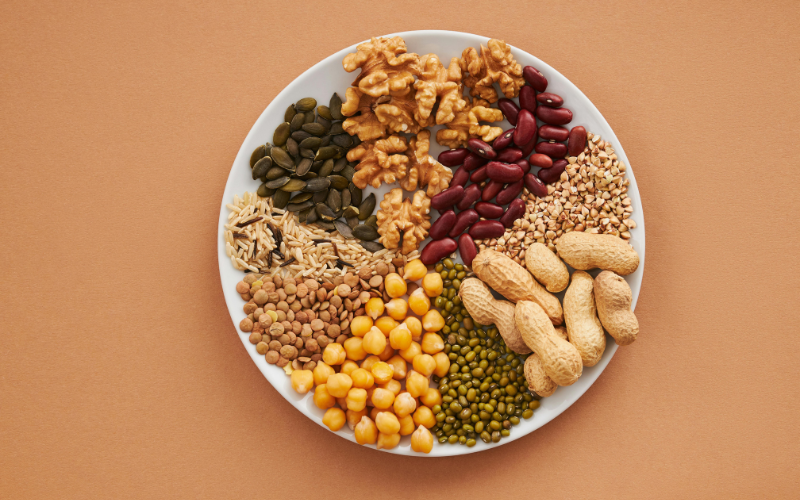
Protein is essential for muscle health, immunity, and overall wellness. For Indian vegetarians and vegans, getting enough protein through plant-based...

In today’s fast-paced world, juggling work, family, and health can feel overwhelming—especially when it comes to cooking nutritious meals daily....

Sugar is everywhere—in Indian sweets, snacks, beverages, and even savory foods—making it hard to recognize how much we consume. At...

Weekend indulgence is a reality many Indians face—with family get-togethers, festivals, or simply relaxing with favorite treats. But how can...
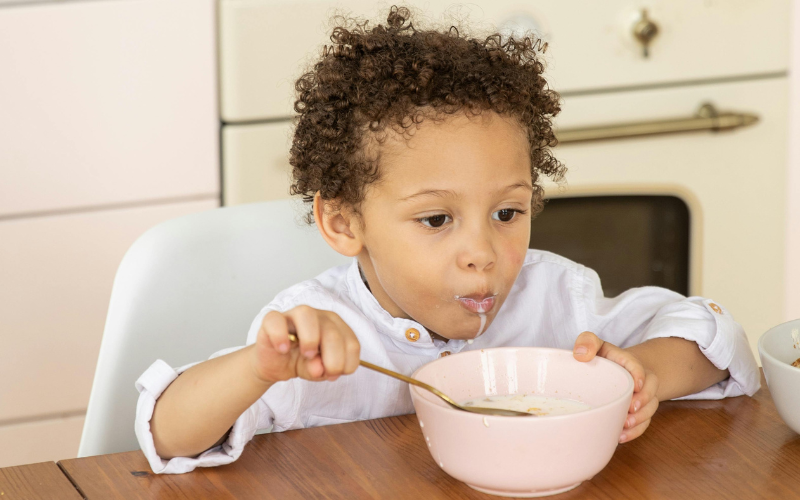
A healthy gut forms the foundation of strong immunity in children. At Deeksha Diet Clinic, we emphasize the natural power...
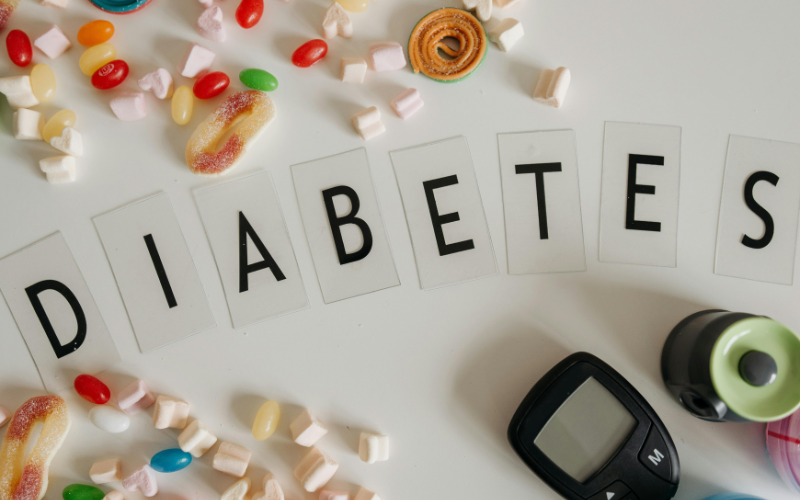
Diabetes is a growing concern in India, but many people wonder if traditional Indian foods can help reverse or control...

Women’s health, particularly during hormonal transitions such as Polycystic Ovary Syndrome (PCOS) and menopause, requires specialized nutritional strategies to balance...
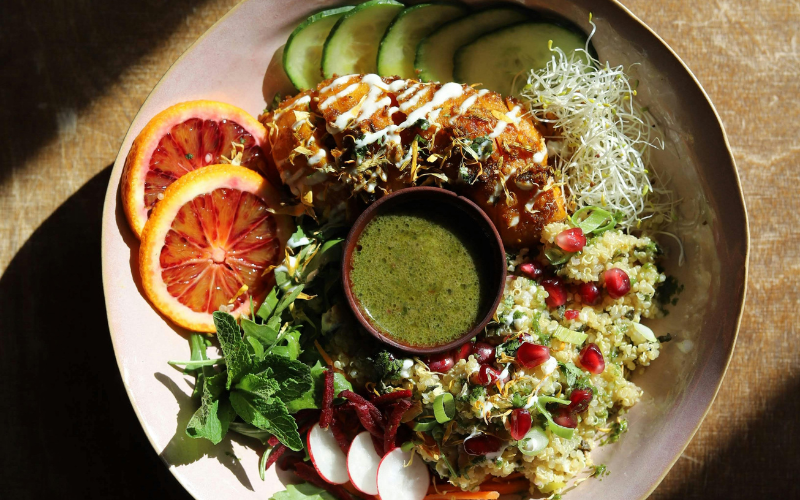
Superfoods have gained immense popularity worldwide, and India’s rich agricultural heritage offers some of the most potent and affordable options....
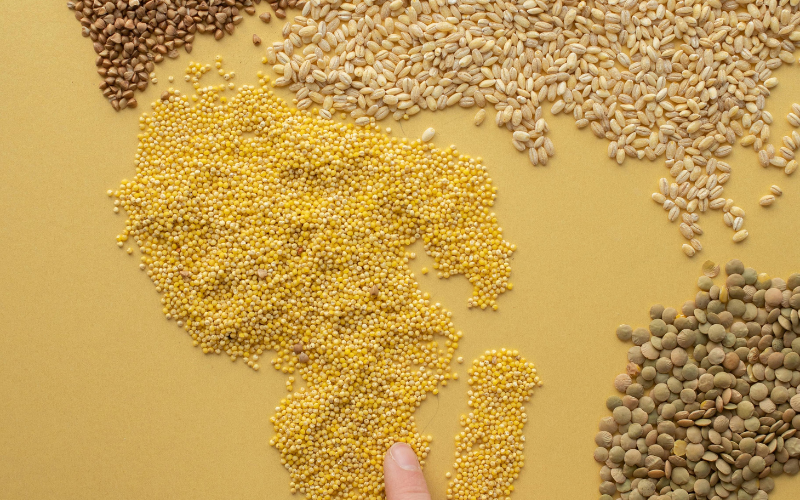
Millets have been an integral part of Indian diets for centuries but have seen a resurgence due to their impressive...

At Deeksha Diet Clinic, every success story reflects the power of personalized nutrition integrated with cultural sensitivity and expert guidance....

Hormonal imbalances are increasingly common among Indian women, leading to issues like PCOS, irregular periods, mood swings, thyroid problems, and...

Eating healthy doesn’t have to mean expensive superfoods or complicated recipes. At Deeksha Diet Clinic, many clients are amazed by...
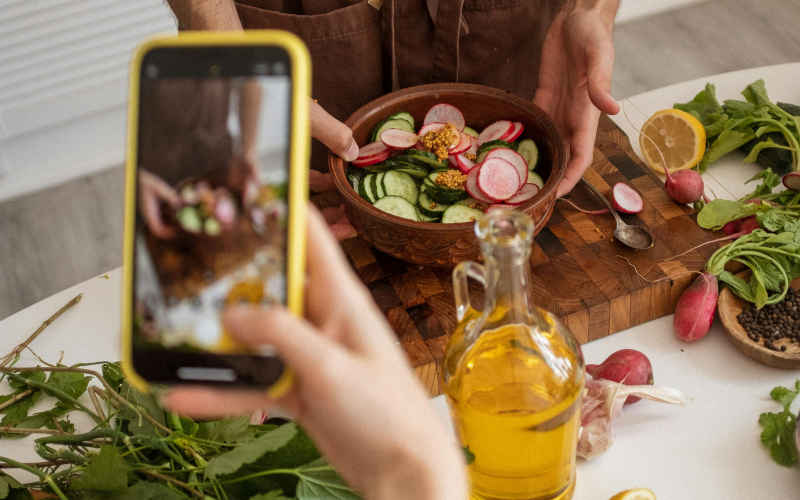
Social media is overflowing with “health hacks” and glamorous diets—but which tips are actually suitable for Indians? At Deeksha Diet...